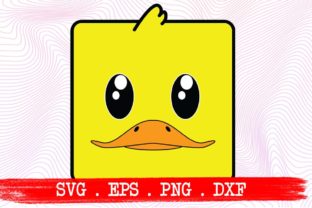
Little Duck Cute Face Funny Graphics for Crafts
First Impression: Playful, Warm, and Instantly Relatable
When I opened Little Duck Cute Face Funny, my first thought wasn’t “cute”—it was “trustworthy charm.” As a brand designer who audits hundreds of graphic design assets yearly, I pay close attention to emotional resonance before technical specs. This illustration lands with soft humor and approachability—not childish, not ironic, but genuinely kind-eyed and expressive. It creates an immediate mood shift: lighter, friendlier, more human. For brands targeting parents, educators, wellness coaches, or handmade product sellers, that tone is gold. It signals warmth without sacrificing polish—ideal for small business branding that wants to feel personal but never unprofessional.
A Real Campaign Fit: Refreshing a Spring Product Launch
Last month, I helped a botanical tea brand launch its limited-edition duck-themed “Spring Quack Pack.” We needed visual cohesion across Instagram carousels, printable packaging inserts, Pinterest pins, and email banners. Little Duck Cute Face Funny became our unifying decorative motif—not as a logo (it’s not built for that), but as a recurring graphic design asset anchoring the campaign’s personality. We used it in SVG format inside Canva templates, layered it subtly behind product photos on web banners, and scaled it cleanly for vinyl sticker labels on tea tins. Because it’s a clean vector-based cutting file, it adapted flawlessly across mediums—from 2-inch stickers to 24-inch event posters—without pixelation or licensing hiccups.
Where It Strengthens Brand Communication
- Visual hierarchy: Its rounded shapes and expressive face naturally draw the eye—perfect for hero graphics or campaign headers where you need quick attention without clutter.
- Audience trust: Unlike generic clipart, this has intentional line weight and balanced negative space, signaling thoughtful creative design—not stock filler.
- Consistent branding: When repeated across social media graphics, email footers, and digital ads, it builds recognition faster than text-only treatments.
- Emotional connection: In content marketing for lifestyle or educational brands, it softens serious topics—like mental wellness tips or eco-friendly habits—making them feel more accessible.
- Professional appearance: Paired with a restrained sans serif font and muted brand colors, it reads as modern design—not craft-store afterthought.
Top 7 Use Cases That Deliver Real Marketing Value
- Branded content bundles: As a decorative element in lead magnets or printable design kits—think “Duck-Themed Planner Pages” for productivity coaches.
- Social media covers & story highlights: Works beautifully as a subtle watermark or corner accent in Instagram and Facebook banners.
- Packaging accents: Ideal for die-cut stickers, tape seals, or inner liner illustrations on subscription boxes or handmade goods.
- Digital ads with heart: Adds warmth to Facebook or Google Display ads promoting seasonal offers—especially when paired with minimal copy.
- Editorial design flourishes: Enhances blog graphics, newsletter headers, or ebook chapter dividers without competing with body text.
- Merchandise-ready visuals: Scales cleanly for mugs, tote bags, and kids’ apparel—thanks to its vector foundation and clear silhouette.
- Canva template differentiation: Gives your editable design bundle a distinct personality versus competitors using overused floral or geometric motifs.
Where to Proceed With Intentional Design Judgment
Little Duck Cute Face Funny shines brightest when given breathing room—but it’s not universally flexible. Avoid using it in formal corporate branding, dense infographics, or low-contrast backgrounds where legibility suffers. It doesn’t anchor text-heavy Facebook ads or replace strong logo design. On mobile screens under 150px wide, facial details soften—so test readability early. And if your brand voice leans toward stark minimalism or luxury sophistication, this asset may dilute your visual hierarchy instead of supporting it.
Brand Designer Notes You’ll Actually Use
Before dropping Little Duck Cute Face Funny into production: Test it against your full brand color palette—some pastel versions pop; others mute its charm. Check black-and-white usage for print materials like flyers or packaging labels. Place it inside real campaign mockups, not just isolated previews—context changes everything. Preview on mobile screens at multiple sizes, especially if used in Stories or email headers. Compare spacing and balance next to your primary headline font—does it complement or compete? Try pairing it with serif, sans serif, script, and display fonts to see which reinforces your voice. Most critically: confirm commercial license terms. As a digital product, it’s built for small business use—but verify permissions for client work, paid ads, or resale bundles in your creative marketplace.
Why This Is More Than Just Clipart
In today’s oversaturated feed, authenticity wins—but authenticity needs polish. Little Duck Cute Face Funny bridges that gap. It’s not just another SVG design or PNG design; it’s a considered creative design asset with built-in emotional intelligence. For bloggers building content kits, designers sourcing design bundles, or product creators refreshing their visual language, it delivers professional branding value without demanding expert illustration skills. It supports stronger first impressions, clearer visual hierarchy, and more memorable campaign visuals—all while staying rooted in the handmade, heartfelt energy that makes Crafts and Graphics resonate with real people.