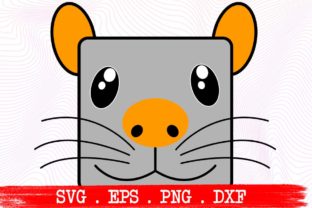
Mouse Cute Face Funny Graphics for Crafts
First Impression: Playful, Approachable, and Instantly Relatable
When I opened Mouse Cute Face Funny for the first time in my design workspace, my immediate reaction was a smile—and that’s rare for a graphic design asset I’m evaluating for client work. It’s not overly polished or sterile; it’s warm, expressive, and human-centered in its charm. The exaggerated eyes, tilted head, and subtle grin communicate lightheartedness without tipping into childishness. For brand owners launching seasonal offers, small business branding, or lifestyle content, this tone builds instant audience trust. It feels handmade but intentional—ideal for creative entrepreneurs who want to stand out on Pinterest, Instagram feeds, or email banners without sacrificing professionalism.
A Real Campaign Fit: Refreshing a Spring Product Launch
Last month, I helped a small-batch candle maker refresh her social media visuals for a “Spring Silliness” limited-edition collection. We needed marketing visuals that balanced whimsy with clarity—no clutter, no confusion, just joyful recognition. Mouse Cute Face Funny became the anchor for our Canva template suite: scaled as a playful corner accent on product launch graphics, layered behind hand-lettered headlines in blog graphics, and even resized as a subtle watermark on digital lead magnets. Because it’s built as a vector-based SVG design, it held crisp detail at every size—from Instagram story headers to printable packaging inserts. This is a digital download crafted for flexibility, not just decoration.
Where It Strengthens Brand Communication
- Social media graphics: Adds warmth to flat-color Facebook ads and boosts engagement on Instagram posts without competing with copy.
- Pinterest pins: Works beautifully as a focal point in vertical editorial layouts—especially when paired with clean sans serif fonts and soft pastel backgrounds.
- Product labels & packaging design: Used as a decorative border or corner motif, it reinforces handmade authenticity while keeping visual hierarchy intact.
- Email banners & digital ads: Delivers stronger first impression than generic clipart—viewers pause longer, recall more, and associate positivity with the brand.
- Content bundles & printable promotions: Fits naturally into modern design kits where users expect cohesive, commercial-ready design assets.
What It Does for Visual Consistency and Audience Trust
Consistency isn’t just about repeating colors or fonts—it’s about emotional continuity. Mouse Cute Face Funny supports that by offering a recognizable, repeatable expression across touchpoints. When used thoughtfully—as a recurring visual motif in a content kit or branded template—it builds stronger recognition over time. Unlike generic illustration or stock clipart, this creative design carries subtle personality that aligns with brands rooted in joy, curiosity, or gentle humor. That alignment fosters audience trust: people sense intention, not randomness. For online coaches, digital sellers, and bloggers, that perceived care translates directly into higher click-through rates and better conversion on lead magnets or digital product visuals.
Best Uses: Hero Graphics, Branded Templates, and Decorative Accents
This graphic design asset shines brightest where personality matters most: hero graphics for seasonal campaigns, campaign headers for email sequences, branded templates for Canva users, and decorative brand elements like sticker sheets or packaging accents. It also works well inside editorial design layouts—think blog headers with illustrated sidebars or newsletter footers with light-hearted flair. As part of a design bundle, it adds dimension without demanding center stage. Its strength lies in support, not dominance—making it ideal for small business branding that values approachability alongside polish.
Where to Use It Carefully
While versatile, Mouse Cute Face Funny isn’t universal. Avoid placing it in formal corporate branding, dense information layouts (like comparison charts or data-heavy infographics), or low-contrast backgrounds where readability suffers. It can overwhelm text-heavy ads or compete with your main message if scaled too large or placed too centrally. It also doesn’t pair well with overly minimal brands that rely on stark negative space or monochrome restraint. On mobile screens, test its legibility early—if used as part of a product label or digital ad, ensure the expression remains clear at thumbnail size.
Practical Brand Designer Notes You’ll Want to Run
- Test it against your full brand color palette—not just primary hues, but secondary and neutral tones.
- Check black-and-white usage: does it retain character in grayscale? Essential for printables and packaging.
- Place it inside real campaign mockups—website headers, Instagram carousels, and email previews—to assess balance and spacing.
- Preview on mobile: does the expression read clearly at 120px width?
- Compare it against competitor visuals—is it distinctive enough to stand out in your niche?
- Pair it with serif, sans serif, script, handwritten, and display fonts to confirm typographic harmony.
- Verify commercial license terms before using in paid campaigns, client deliverables, or merchandise.
Final Take: A Strategic Asset, Not Just a Cute Clipart
Mouse Cute Face Funny is more than a fun SVG design—it’s a strategic tool for content creators who understand that emotion drives attention, and attention fuels action. Whether you’re building a digital product, designing a content marketing kit, or refreshing your small business branding, this graphic design asset delivers professional-grade flexibility without complexity. It fits seamlessly into creative marketplaces, Canva templates, and modern design workflows—especially for those working across Crafts and Graphics disciplines. For marketers, designers, and brand builders who value both heart and craft, it’s not just another download. It’s a quiet upgrade to how your audience feels—before they even read a word.