Funny Tea Towels: A Designer’s Real-World Embroidery Review
As someone who’s stitched hundreds of designs across apparel, home goods, and boutique merchandise — from baby onesies to holiday aprons and Etsy shop bestsellers — I opened Funny Tea Towels expecting charm, not chaos. What I found was a refreshingly grounded set of four digital graphics that work *with* embroidery, not against it. This isn’t just another batch of clipart repackaged as a machine embroidery design. It’s thoughtful craft-first illustration — built for clarity, character, and real-world wear.
First Impressions: Whimsy That Stitches Cleanly
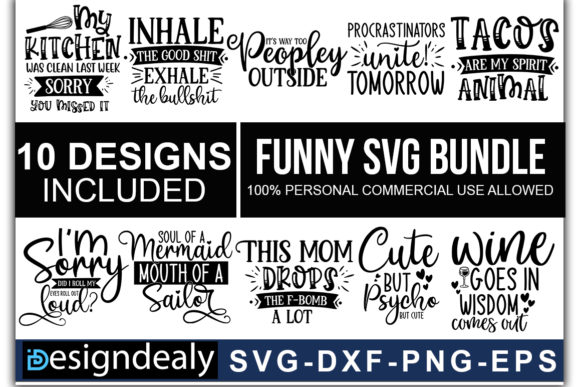
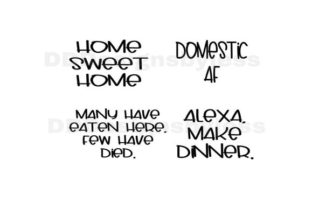
The moment you preview the files, you notice the rhythm: balanced negative space, generous line weight, and intentional simplification. These aren’t overly detailed illustrations begging for 12-thread gradients — they’re bold, friendly, and built with satin stitch curves and clean fill stitch zones in mind. One features a steaming mug winking beside “I Can’t Adult Today”; another reads “But First, Tea” wrapped around a teapot silhouette. The humor lands because it’s visual *and* textual — but never cramped. That matters. In embroidery, if lettering fights the stitch path or tiny details vanish under thread, your handmade product loses trust before it leaves the hoop.
A Real Project Test: Custom Embroidered Kitchen Towels for a Local Boutique
Last month, I used Funny Tea Towels to create limited-edition embroidered cotton tea towels for a neighborhood kitchenware shop. We chose medium-weight linen-cotton blend towels — sturdy enough for daily use, soft enough for gifting. I ran each design at ~4.5" wide, centered on the lower third of the towel. No resizing drama. No lost corners. The stitch density felt moderate — dense enough to hold shape on a textured surface, light enough to avoid stiffness or puckering. Customers loved how the phrases read clearly from across the room, yet still felt hand-touched, not mass-printed. That’s the sweet spot: professional polish without sacrificing warmth.
Where Funny Tea Towels Shines (and Where to Pause)
Funny Tea Towels adapts well across common embroidery projects — but context changes everything. Here’s how it performed where it counted:
- Custom apparel: Works beautifully on sweatshirt cuffs, tote bag flaps, and apron pockets. The layout avoids tight curves, so no distortion on rounded seams or cap fronts.
- Baby embroidery: Used one design (the “Sip Happens” mug) on organic cotton burp cloths — scaled down to 3". Still legible. Avoid ultra-fine script versions; these are wisely designed for readability at small sizes.
- Holiday & gift embroidery: Paired with red-and-cream thread on flour-sack towels for Christmas markets — instant charm, zero over-engineering. Great for last-minute personalized gifts where stitching time matters.
- Embroidered patch: Digitized one design as an iron-on patch. Clean edges, minimal fraying risk thanks to solid outer borders and minimal interior detail.
But — and this is critical — Funny Tea Towels isn’t magic. On stretchy knits (like t-shirt fabric), I added lightweight cutaway stabilizer and reduced top tension slightly. On dark fabric, I tested thread contrast first: a warm cream satin stitch popped beautifully against navy canvas, but pale yellow vanished on charcoal. Always run a test on scrap — especially if you’re selling finished products. And skip using it on ultra-thin silk or delicate lace; this is a Crafts-grade graphic meant for durable, everyday textiles.
Design Integrity Meets Commercial Reality
What sets Funny Tea Towels apart isn’t novelty — it’s consistency. As an Etsy seller and small shop product developer, I’ve seen too many “cute” digital files fall apart mid-stitch: letters merging, outlines bleeding, or fill areas ballooning into muddy blobs. Not here. Each of the four designs holds its personality through the needle. That directly impacts buyer engagement: customers recognize the wit instantly, feel the handmade care in the clean execution, and associate your brand with reliability — not guesswork.
For craft business owners, that means less rework, fewer customer questions about “why does it look blurry?”, and stronger repeat sales. For designers building printable mockups or digital product previews, these translate cleanly to flat-lay photos and lifestyle shots — no retouching needed to rescue fuzzy edges.
Practical Designer Notes Before You Stitch
Before loading Funny Tea Towels into your machine or bundling it into a digital product listing, take five minutes to do this:
- Test on scrap fabric matching your final project’s weight and texture.
- Check thread color contrast on both light and dark backgrounds — don’t assume white will always read.
- Review stitch density visually in your embroidery software — watch for any unusually dense clusters that might cause puckering.
- Confirm your hoop size comfortably accommodates the largest version you plan to use.
- Inspect small details (like steam curls or mug handles) at 200% zoom — ensure they’re digitized with stitch paths that won’t collapse.
- Run a black-and-white mockup — if it reads clearly without color, you’ve got strong design bones.
- Verify licensing terms — since this is a digital embroidery file, confirm whether commercial use (e.g., selling finished embroidered towels) is permitted, and whether redistribution of the file itself is allowed.
Remember: a great embroidery file doesn’t just look good on screen — it behaves predictably under thread, stabilizer, and tension. Funny Tea Towels earns respect by doing exactly that. It’s not flashy. It’s functional, friendly, and quietly confident — the kind of graphics that makes your craft business feel more polished, not more complicated.
If you’re curating design assets for custom apparel, handmade gifts, or small shop merchandise, treat Funny Tea Towels as a reliable utility player — not a one-off gimmick. It stitches true, sells well, and lets your craftsmanship take center stage.