Baby Funny Little Dreamer Graphics
First Impressions and Emotional Tone
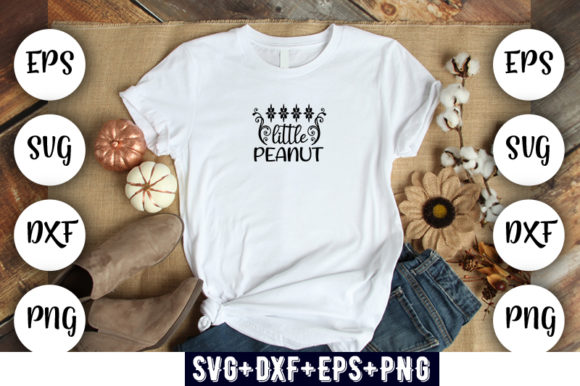
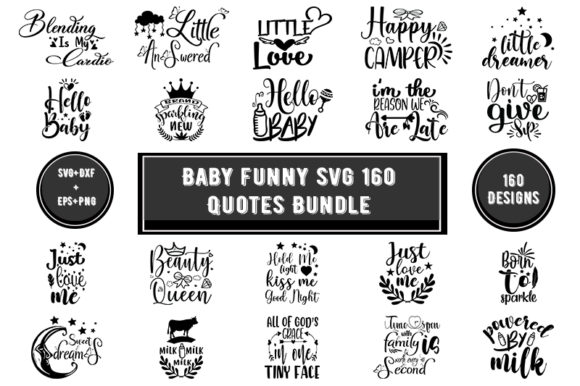
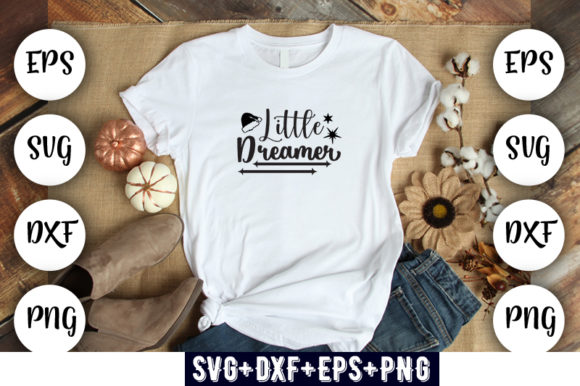
The Baby Funny Little Dreamer graphic immediately evokes a sense of whimsy and warmth. With its playful illustration style, it leans into a casual, approachable vibe that feels ideal for lifestyle and family-oriented brands. The design’s soft lines and gentle colors create a mood that is both comforting and engaging—perfect for content that aims to connect with parents, caregivers, or those who appreciate childlike creativity.
Visual Consistency and Brand Identity
As a brand designer, I consider how a graphic design asset like Baby Funny Little Dreamer fits within a broader brand identity. It offers a versatile foundation for creating a cohesive visual language. Whether used in logo design, packaging design, or social media graphics, the asset supports a consistent aesthetic that aligns with modern, creative marketplaces. Its clean layout and balanced composition make it suitable for both casual branding and more polished campaigns.
Marketing Use Cases and Practical Applications
Baby Funny Little Dreamer performs exceptionally well in several marketing scenarios. For instance, when launching a new product line, this design can serve as a hero graphic on landing pages or as part of a Canva template for promotional banners. It also works well in digital ads and email banners, where its bright yet subtle color palette ensures visibility without overwhelming the audience.
For social media graphics, the SVG and PNG formats allow for high-quality rendering across platforms. This makes it an excellent choice for Instagram posts, Pinterest pins, and Facebook ads. The design’s adaptability extends to editorial design and web design, where it can be integrated into blog headers, website footers, or even lead magnets.
Supporting Marketing Goals
Using Baby Funny Little Dreamer helps achieve several key marketing goals. Its playful nature enhances the first impression of a brand, making it more memorable. The design’s clear visual hierarchy aids in directing attention to key messages, while its consistent style fosters stronger brand recognition. Additionally, the asset contributes to building audience trust by presenting a professional yet friendly appearance that resonates with target demographics.
Where It Works Best
Baby Funny Little Dreamer shines in areas where a light, charming aesthetic is needed. It excels in hero graphics, campaign headers, and product launch visuals. It also pairs well with branded templates and content bundles, offering a ready-made solution for small business branding. For packaging accents or event flyers, the design adds a touch of personality without overshadowing the main message.
Where to Use with Caution
However, there are contexts where Baby Funny Little Dreamer may not be the best fit. In formal corporate branding or text-heavy ads, its playful tone could clash with the desired professionalism. Similarly, on low-contrast backgrounds or in small mobile graphics, the design might lose clarity. It’s important to test the asset against the brand’s overall messaging and ensure it doesn’t compete with the primary content it supports.
Practical Design Notes
Before incorporating Baby Funny Little Dreamer into a campaign, I recommend a few practical checks. First, test it with the brand’s color palette to ensure it complements existing visuals. Next, verify its performance in black and white to maintain readability in different contexts. Place the design inside real campaign mockups to see how it integrates with other elements.
Preview it on mobile screens to confirm it scales well, and test readability at smaller sizes. Compare it with competitor visuals to gauge its uniqueness and marketability. Finally, review how it pairs with various font styles, including serif, sans serif, script, and handwritten fonts, to ensure it maintains balance and clarity.
Commercial Licensing and Usage
Always confirm the commercial license before using Baby Funny Little Dreamer in paid campaigns or client work. This ensures you’re compliant with usage rights and avoid potential legal issues. As a design asset, it’s ideal for printable designs, digital products, and creative marketplaces, offering value to both designers and small business owners looking to enhance their brand identity.
Conclusion
Baby Funny Little Dreamer is a strong graphic design asset that brings charm, consistency, and versatility to marketing and branding efforts. Whether used in social media graphics, web design, or packaging design, it supports a wide range of creative applications. By understanding its strengths and limitations, brand owners and content creators can leverage this design to build engaging, memorable campaigns that resonate with their audience.